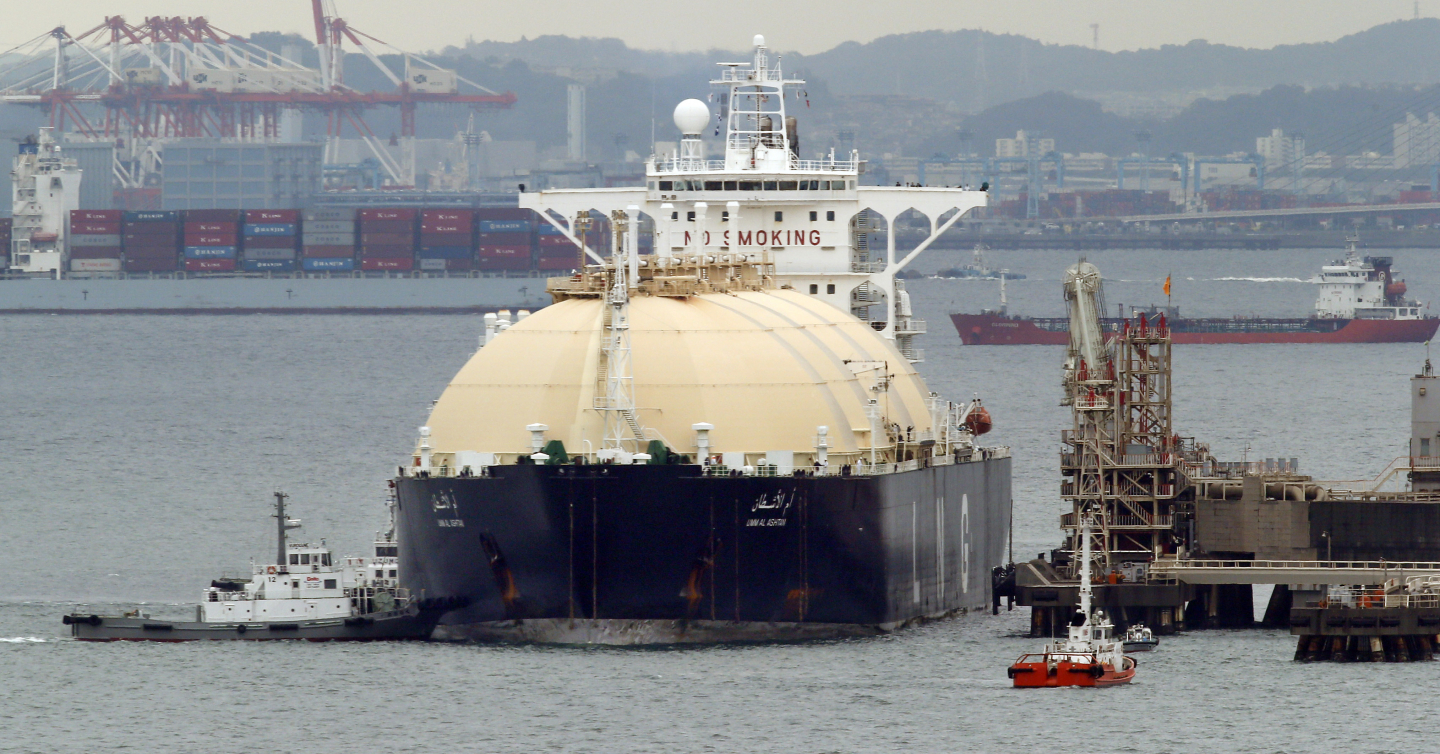
LNG: Venture Global Hurts Everyone
My friend Peter Roff recently wrote, well, let’s call it a defense of Venture Global that appeared on RealClearEnergy last Wednesday.
I have great respect for Peter, but he is wrong about Venture Global. The company, in case you missed it, sells liquified natural gas to various folks in Europe. Unfortunately, they have yet to sell that gas at contracted prices, because they have yet to declare themselves ready for commercial operations.
That has allowed them to sell the natural gas into the more lucrative – as Europe scrambles to find natural gas to replace Russian gas – spot market for natural gas.
Here’s the problem: over the last 18 months, the company has shipped out about 200 cargoes of liquified natural gas. The idea that you can somehow deliver 200 cargoes and yet not be ready for commercial operation is ridiculous on its face.
For purposes of comparison, their brethren in the industry usually declare themselves ready for commercial operations after shipping out about ten cargoes.
That wide disparity – and the higher prices that cargoes fetch on the spot market as compared to contracted prices – might lead a rational person to conclude that Venture Global has found and is exploiting a hole in the regulatory scheme.
Venture Global continues to argue that power and other problems at their facility preclude any announcement that they are ready for commercial operations. That certainly seems possible. However, the continuation of these challenges for more than a year suggests a systemic problem at the facility.
Liquified natural gas export terminals are large, complicated industrial facilities. Things can go wrong. But they are not that complicated. Things rarely go wrong for 18 months without some sort of remedy.
Perhaps it is a good time for the Federal Energy Regulatory Commission to suspend their permit to operate and take a hard look at plant operations, rather than allow them to continue to operate and sell cargoes into the spot market indefinitely.
If Venture Global really cared about the customers with whom they have contracts, they would sell the cargoes to them at the agreed upon price, irrespective of the status of the commercialization of their facility. There is nothing that prevents that.
Their failure to do so might lead a rational person to conclude that if the company sold liquified natural gas under contractual obligations and prices, the company would not be making as much cash as it does when it sells natural gas on the spot market. Perhaps there are other interpretations.
But the company doesn’t really seem to be all that concerned about the customers with whom they have contracts, as witnessed by the formal complaints from Repsol, Edison, BP, Shell, GALP, and probably shortly Sinopec.
You know what seems to be missing? Satisfied customers prepared to defend Venture Global.
Here’s the bottom line on all of this. Either we not know the entire and unvarnished truth, or Venture Global may not be very good at running a liquified natural gas facility. Whichever, the regulators should think about increasing the tempo and depth of oversight of the company.
That’s something the entire industry should support. By refusing to declare they are ready to commence commercial operations despite an embarrassing number of cargoes, Venture Global is making everyone who buys and sells liquified natural gas look bad.
Commerce, especially international commerce, depends on a high degree of trust in the words of one’s counterparties. When that trust is damaged, trade suffers and everyone is harmed.
Michael McKenna, president of MWR Strategies, advises utilities, merchants, and transmission companies. He was deputy director of the White House Office of Legislative Affairs under President Trump.